Today I’m talking about my #1 favorite mode of exercise that I recommend to almost everyone: walking. Read on about the benefits, how to start a walking routine, why it’s important to walk every day, and how to change up your routine.
Check out these tips for getting started with a walking routine or making small changes that can lead to better fitness, health and wellness.
Hi! Happy Wednesday! How’s the day treating ya? I’m taking an F45 class with a friend, have back-to-back client calls, and am making tacos for dinner tonight. Hope you have a lovely day!
For today’s post, let’s talk about what I truly consider to be the *best* form of exercise. Are there other amazing modes? YES. But if everyone (who has no physical limitations or medical conditions that are contraindicated for this) could walk, I think it would have such a positive impact on physical and mental health. Walking is one of my non-negotiable activities every day. Even if it’s a short 10-15 minute stroll around the block, I feel more centered, energized, and sleep better when I’ve gotten in a daily walk. Maisey also loves daily walks and is less destructive when she’s gotten out some energy. 😉
In today’s post, I thought I could share some ideas on how to start a walking routine, some tips, health benefits of walking, and ideas to change up your walking routine if it’s already a consistent part of your life (YAY). I’d love to hear your thoughts on this, too!
How to start or change up your walking routine
Why walking is AMAZING:
– Meditative benefits. My therapist told me that walking can similar benefits for the brain as meditation. It’s the repetitive movement of your feet on the pavement that calms the body’s sympathetic system (the “flight or fight” response) and can help with anxiety, depression, and mood. (Of course, if you suffer from anxiety or depression, please seek out the help you need. Walking can be a great complement to traditional therapy, but isn’t a substitute.)
– It’s extremely functional. I want to be able to walk for as long as possible, and the best way to do this is by walking frequently and training the muscles that support walking. As far as functional everyday movements go, walking is high on the list, and if you don’t use this skill as you age, you can lose it as the muscles atrophy and bone density decreases.
– Walking can be used to increase overall calorie burn and reduce body fat.
– Sunlight benefits from walking outdoors. This is a great way to get vitamin D, fresh air, and sunlight, which can impact our circadian rhythm. When you’re exposed to sunlight during the day, it can help improve sleep quality at night.
– Walking can also help with blood sugar response and insulin sensitivity. One of my favorite *hacks* for a high sugar meal is to take a short walk afterwards to reduce the blood glucose response.
Tips on starting a walking routine:
– Multitask. Take calls or watch your favorite shows while on a walk. I take all of my Beautycounter calls while I walk around the neighborhood, and it’s one of my favorite ways to multitask.
– Add in short walk breaks during your workday, even if it’s a short walk around a courtyard or to another building and back.
– Build up time and intensity slowly. Don’t feel like you have to start with a 1-hr walk each day. Start with 10 minutes and after you can do this consistently for a few weeks, try 15 minutes.
Some things to consider:
– Make sure that you’re in a safe location. If you live in an area where it is unsafe to walk outdoors alone, find a safe spot, like at a gym, a friends’ neighborhood or park walking trail, or a treadmill.
– If you’re going to a new location, make sure that someone you know is aware of where you’ll be and about what time you’ll be finished. Keep your cell phone and identification with you.
– Make sure you have supportive and comfortable shoes for walking. Shoes make such a huge difference! Wear shoes that offer the amount of support you need, and if anything, head to a local running store to find shoes that work for your foot, pronation, stride, etc.
– Use your GLUTES when you walk. It’s really easy to think about walking as a lift from the hip flexor and the foot falls down from here. Instead, focus on using your glutes, almost like you’re ice skating. Push off from each step, using your glutei strength. Also consider your pelvis position while you’re walking. If your pelvis were a bucket, you’d want to keep the bucket from spilling water constantly to the front or back; try to keep it relatively stable. For more walking tips, check out this podcast episode!
How long should I walk?
– It depends. It depends on what your daily routine is like. If you have a sedentary job/life, then you may benefit from walking more than someone who is already on their feet all day. Consider your lifestyle and what makes sense for your job, amount of time you can dedicate to walking, and activity levels. I think a great goal is to aim for 30 minutes per day, in addition to daily exercise and everyday activity. If you need help determining cardio guidelines, check out this post!
How to change up your walking routine:
– Change your route. Explore a new trail or walking path. This is one of my favorite ways to explore Tucson and also new places when we travel! Take a buddy with you and explore somewhere new. Bonus: look for a spot with various incline levels.
– Wear a weighted vest. This can increase calorie burn since you’re carrying more mass and working harder. If you do wear a weighted vest or backpack, make sure it’s not too heavy and doesn’t impair posture and movement patterns (like make you hunch over and turn off your core while you’re walking).
– Add in speed blasts. Try picking up your speed to a power walk or jog for some challenge intervals during your walking workout. One of my favorite methods: 2 minutes easy pace, 1 minute brisk pace or jog.
– Add in strength circuits or bodyweight exercises. You can implement your strength workout with your walking workout. Try this at a track: 1 lap, 20 squats, 1 lap 20 walking lunges, 1 lap, 20 triceps dips, 1 lap, 20 push-ups, 1 lap, 45-second plank.
– Get a friend to join you! This is one of my favorite ways to walk. The time flies by and it’s a nice twist on social activities.
– Add stairs into the rotation. Stair climbing is an excellent way to train various muscles in your legs and change up your routine.
– Try an audio-based walking workout. Peloton has some amazing ones!
Are you a fan of walking? Do you have an amount of steps that you aim to hit each day?
Remember that if you’re not consistently hitting 10k steps per day, that’s ok! Try to gradually increase your amount of steps over time. For example, if you’re only hitting 3,000 or so, aim for 4,000 for a few weeks and build from there.
What Is the Flexitarian Diet? (Exploring “Semi-Vegetarians”)
The Flexitarian Diet is a plant-based or vegetarian style of eating that allows for some animal products in moderation.
“Flex” comes from “flexible” and “tarian” comes from “vegetarian,” so a flexitarian is more or less a “flexible vegetarian.”
In 2012, the term “flexitarian” actually entered the Merriam-Webster Dictionary as:
One whose normally meatless diet occasionally includes meat or fish.
Another way to think of flexitarians would be as “semi-vegetarians.”
This version of semi-vegetarianism was first formulated by dietitian Dawn Jackson Blatner, in her bookThe Flexitarian Diet.
In Blanter’s word:
“You can think of this diet as a ‘vegetarian-ish’ way of eating since this plan touts the basic principles and benefits of a plant-based diet, along with the inclusion of some animal proteins to a lesser extent.”
The goal of the Flexitarian Diet would be to minimize or reduce the frequency of eating meat, without removing it completely.
This is what separates flexitarians from normal omnivores: the former are actively trying to limit meat consumption.
Flexitarians just don’t want to eliminate meat 100% (for health or personal reasons), so they allow some into their diet.
What Do Flexitarians Eat? (The Flexitarian Diet Plan)
Since the Flexitarian Diet actively tries to reduce the consumption of meat, the meal plan will be predominantly plant-based.
Plant-based food choices on the Flexitarian Diet plan include:
Whole grains.Rice, oats, barley, and buckwheat would all be examples of whole grains. Most plant-based diets include a sizable amount of whole grains as their base.
Vegetables.Of course, even semi-vegetarian diets are going to include lots of vegetables! And they should because vegetables are great for you! They’re packed full of nutrients, fiber, and generally low in calories. Most people could stand to eat more veggies. If you find yourself not being able to stomach greens, I got you. Check out this post for tips on how to turn around any vegetable hater.
Legumes.Beans, lentils, and soy make up the legume family. When cutting out meat, legumes would be a great way to get protein (more on this to follow).
Fruit.Bananas, apples, and oranges all come from plants, so all are vegetarian-friendly. While high in fructose (sugar), they are also nutrient-dense. Our general stance on fruit around these parts is to eat “stick to whole fruit, avoid fruit juices.”
Nuts and seeds.Again, they come from plants, so almonds, cashews, and pumpkin seeds are good to go on any vegetarian plan you pick. So is quinoa, which although is often thought of as a grain, is actually a seed. Mind=blown.Nuts and seeds, although high in fat and calories, are another great way to get protein on a semi-vegetarian diet.
I know you’re curious about meat consumption and the Flexitarian Diet
We’ll devote our entire next section to it.
Before we get there, let’s talk about foods that you might NOT want to build your flexitarian meal plan around.
Since the Flexitarian Diet is an attempt to eat nutritiously, it not only encourages the consumption of whole plants but also discourages the consumption of certain foods too.
When following a Flexitarian Diet, try to minimize:
Processed meat: bacon, sausage, and bologna. Proponents of flexitarianism advocate for unprocessed meat like grass-fed beef, pasture-raised chicken, fresh fish, etc. More on this next section.
Refined carbs: white bread, bagels, pasta, etc. These foods have much of their fiber destroyed during the refinement process, making them more like sugar during digestion.
Added sugar: soda, donuts, cookies, etc. Also known as “junk food.” Delicious, of course. But these foods are high in calories and low on nutrients, so they belong in the “rare treat” category.
The above list likely isn’t too shocking. Most health sites (and us in our healthy eating guide) recommend these foods be eaten sparingly.
Now, it’s time to talk meat!
How Often Do Flexitarians Eat Meat? (The “Flex” in “Flexitarian”)
The answer to “How much meat can you eat on a flexitarian diet?” depends on who you ask.
There are lots of variations of semi-vegetarianism, meaning there are a lot of different answers to this question.
Dawn Blatner discusses different levels of meat restriction in her bookThe Flexitarian Diet, which we’ll review below.
Here’s the progression plan forThe Flexitarian Diet:
Beginner Flexitarian:
Two meat-free days a week
No more than 26 ounces of meat the remainder of the week
Advanced Flexitarian:
Three to four meat-free days a week
No more than 18 ounces of meat the remainder of the week
Expert Flexitarian:
Meat-free five days a week
9 ounces of meat allowed the remaining two days
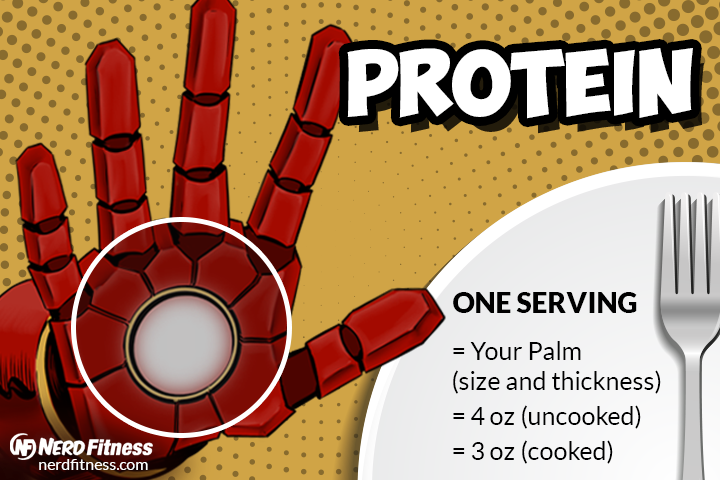
For reference, a three-ounce piece of chicken breast is about the size of your palm:
Another popular form of flexitarianism comes fromVB6(Vegan Before 6:00) which is exactly what it sounds like: follow a vegan meal plan until dinnertime.
Like Blatner, Bittman encourages the consumption of whole plants and discourages the consumption of junk food.
That’s not too surprising, because every diet encourages the consumption of whole plants and discourages junk food (well, not the Carnivore Diet or the Military Diet).
Other than following a 100% plant-based diet until 6pm, Bittman offers no specific rules forVB6.
You do you.
This is going to lead us to a larger point: “flexitarian” is up to interpretation.
Since there are multiple plans for semi-vegetarianism, how much meat you eat will really depend on your goals and motives.
Does Cutting out Meat Help You Lose Weight?
Many proponents of flexitarianism will claim it can help with weight loss:
Mark Bittman createdVB6(Vegan before 6) after his doctor told him to lose some weight.
Dawn Jackson claims her Flexitarian Diet can help those struggling with obesity.
However, anyone selling a diet book is gonna tell you it can help with weight loss.
What does the science say?
Since there’s no set-in-stone interpretation of what makes a “flexitarian” a flexitarian, it can be hard to prescribe any specific benefits to the diet.
This is a concern Emma J. Derbyshire brought up in a review of semi-vegetarian diets in Frontiers of Nutrition.[1] Derbyshire states that before any formal recommendations can be done on flexitarians, “official definitions of these diets are needed.”
You need to know exactly what you’re researching before you can make heads or tails of what’s going on.
However, weight loss itself has been studied a lot, so we aren’t completely stumbling in the dark here.
To lose weight, we need to burn more calories than we consume regularly.
It’s about as close to fact as we can get in nutrition science.[2]
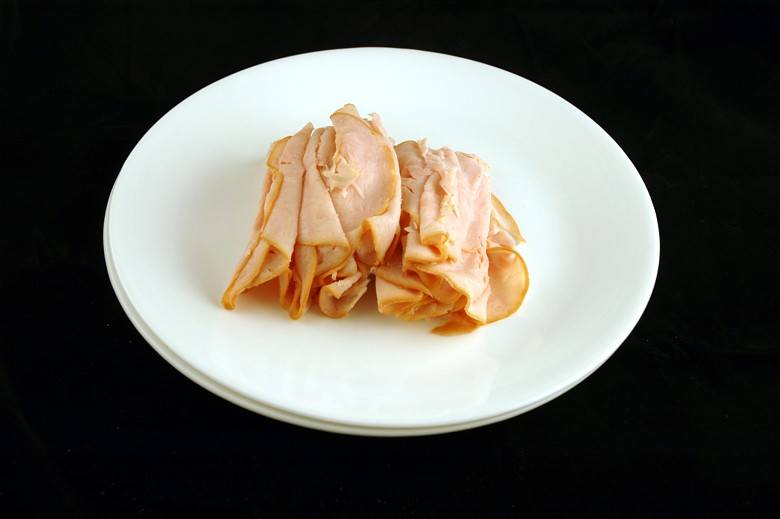
Here’s the thing about meat: it’s actually pretty calorically dense, especially when you compare it to fruits and vegetables.
This is 200 calories worth of sliced turkey (thanks to wiseGEEK):
Here is 200 calories worth of Saltine crackers (which are vegan):
When comparing a plate of meat to a handful of crackers, you might think: “Steve, there’s no way those crackers will satisfy me, I’ll need to eat more food,” then you’d be right.
It’s why focusing on foods that fill you up without being overloaded with calories can help with weight loss.
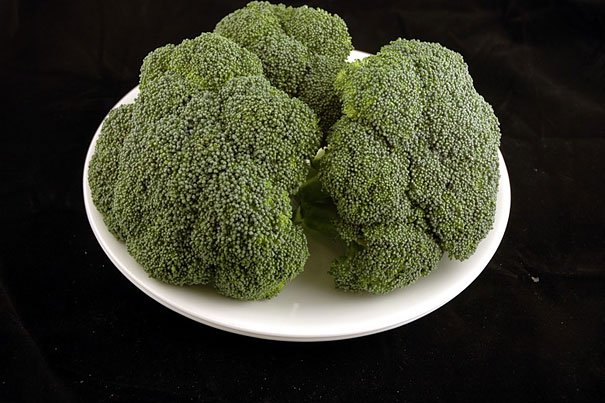
Let me share one more example:
This is what 200 calories worth of broccoli looks like:
So, YES, if you replace your meat lovers pizza, chicken parm with pasta, and bacon cheeseburgers with mostly fruits, vegetables, and other whole plants, you’ll most likely lose weight.
It comes down to total energy (calories) consumed!
This is something we bring up throughout ourGuide for Plant-Based Diets:be careful about replacing calorie bomb meat products with heavily processed junk food.
You might end up with the same amount of calories (if not more), which means you’ll have no weight loss.
Because from a protein perspective, meat can be a great source of nutrients.
Let’s compare chicken against black beans, since legumes (beans) are some of the most protein-dense plants you can eat:
100 grams of black beans:22 grams of protein,339 calories, 63 grams of carbohydrates (16 grams of which are fiber).
100 grams of chicken breast:30 grams of protein,165 calories, 0 grams of carbohydrates.
The same size serving of black beans has less protein, twice as many calories, and more carbs compared to chicken.
This isn’t to say you can’t get adequate protein from plants (we tell you exactly how to do it in our guide to vegetarianism), it’s just something you have to appropriately plan for!
All this to say: you can lose weight on a flexitarian diet as long as you burn more calories than you eat consistently.
If semi-vegetarianism actually helps with that, great!
Let me say that if you’re trying to lose weight and wondering if a flexitarian diet is the solution, I’m proud of you for at least THINKING about different nutritional strategies that might align with your lifestyle and goals.
Lots of our coaching clients come to us with all sorts of different fitness questions, like what to eat and how to exercise, proving we all start from unique situations. The important thing is that you’re beginning to ask questions and looking for answers.
If you want help on your journey, we’re here for you.Our 1-on-1 Online Coaching Program partners busy people just like you with a coach who will get to know you better than you know yourself.
What Are the Benefits of Being a Flexitarian?
There are all sorts of benefits from eating lots of plants.
Now granted, I’m on the record for stating I don’t buy into the claim that meat is inherently bad for you (we dig into it in this article).
However, I’m also on the record for stating you should eat your fruits and veggies (scope out our Guide to Healthy Eating).
Let’s rap about the good things found in the plant kingdom:
Fiber: studies have shown that eating dietary fiber (found in plants) can have loads of health benefits. Fiber from plants can help lower raised blood pressure, improve insulin sensitivity, and help with digestive issues.[3]
Vitamins and minerals: plants contain vitamins E, C, K2, and calcium, to name just a few. You need these things to survive.
Antioxidants:there are all sorts of toxins in the modern world (air pollution, BPA in plastic, etc). Plants, and the antioxidants in them, can help defend against some of these pollutants.[4]
When you start to factor this together, it makes sense to eat a lot of plants.
It also makes sense that people who eat a lot of plants, like flexitarians, tend to be in good shape.[5]
Whole plants are high in nutrients and low in calories, making them ideal for creating an energy deficiency.[6] Again, this is needed for weight loss.
Here’s where the debate rages on the internet:are people who follow a plant-based diet generally healthier than omnivores because meat is bad for you, or because vegetarians tend to eat more fruits and vegetables and less processed foods?[7]
It’s hard to say.
More studies are rolling in every day, so I’m not going to declare a winner over the other.
I will say that I actually resonate with a “flexitarian” lifestyle, though I just call it “mostly healthy eating” = eat mostly plants, healthy sources of protein, and keeping total calorie intake under control.
The moral of the story: eat lots of plants…and maybe a little meat.
Should I Try the Flexitarian Diet? (Next Steps)
Sure!
Why not?
There are worse ways to eat than tons of plants with a little bit of meat.
Being a flexitarian is actually not too different than following the Mediterranean Diet.
It’s the same way of eating, just with a new name.
Author Michael Pollan summed it up years ago with “Eat food, not too much, mostly plants.”
Truth be told, healthy eating is more or less the same no matter what you call it.
They just label it with different names to sell books.
Minimize the consumption of processed food or junk food
We lay all this out in ourGuide to Healthy Eating, which I would encourage you to check out.
If this is the first time you’ve tried to “eat right,” or the 17th, it’ll help you make small lifestyle changes towards a healthy diet.
This is our preferred approach here at Nerd Fitness.
That will bring me to my one concern on adoptingThe Flexitarian Diet or any other strict form of semi-vegetarianism: if you change too much at once, it might be overly difficult and you’ll grow frustrated.
Frustration can lead to abandoning a new way of eating.
We see it all the time here:people go Paleo or Keto for 21 days, hate it, then go right back to where they started.
Since they’re now demoralized from the experience, they don’t even try anymore, which is where the real harm comes in.
So try a small step today:
Make dinner this week.
Try eating one new vegetable.
Hell, make it exercise-related and just go for a walk.
This might be better than changing everything at once giving up meat for most of the week.
Want some help along the way? The perfect path on where to go from here and what to change?
You got it!
#1) Our 1-on-1 Online Coaching Program:a coaching program for busy people to help them make better food choices, stay accountable, and get healthier, permanently.
You can schedule a free call with our team so we can get to know you and see if our coaching program is right for you. Just click on the image below for more details:
#2) If you want an exact blueprint leveling up your nutrition, check out Nerd Fitness Journey! Our fun habit-building app helps you exercise more frequently, eat healthier, and level up your life (literally).
If you follow our Nutrition missions, you’ll learn to eat healthier while earning XP! Sah-weeeet.
Try your free trial right here:
#3) Become part of The Rebellion! We have a free email newsletter that we send out twice per week, full of tips and tricks to help you get healthy, get strong, and have fun doing so.
I’ll also send you tons of free guides that you can use to start leveling up your life too:
Download our free weight loss guide
THE NERD FITNESS DIET: 10 Levels to Change Your Life
Follow our 10-level nutrition system at your own pace
What you need to know about weight loss and healthy eating
3 Simple rules we follow every day to stay on target
Alright, I think that about does it for this article.
Now, your turn:
What are your thoughts on the Flexitarian Diet?
If you follow it, when do you eat meat?
Any tips or tricks to make it sustainable?
Let me know in the comments!
-Steve
PS:If you’re just starting to explore vegetarianism, make sure you read ourBeginner’s Guide to Plant-Based Dietsso you do it safely and effectively!
Read, “Health benefits of dietary fiber.” Source, PubMed.
Read, “The Protective Role of Antioxidants in the Defence against ROS/RNS-Mediated Environmental Pollution” Source, PubMed.
Read, “Comparison of nutritional quality of the vegan, vegetarian, semi-vegetarian, pesco-vegetarian and omnivorous diet.” Source, PubMed.
As this study references, fully plant-based diets tend to come in the lowest for energy provided, compared to omnivores. This makes sense, since meat can contain a decent amount of calories.
Here’s another indicator following a semi-plant-based diet would be good for you: “Vegetarian dietary patterns are associated with a lower risk of metabolic syndrome: the adventist health study 2.” Source, PubMed.
Organ meats are often over-looked and science shows that they pack a big nutritional punch. Here are some of the benefits + a recipe for nutrient-packed meatballs!
Hiiiii hi! How are ya? I hope you’re having a wonderful day. It’s gorgeous here today, so I’m going to head out for a midday hike, and am looking forward to family dinner tonight.
For today’s post, I’m going to chat about something that’s been getting more hype lately, but is an ancient nutrient-dense food source: organ meats. TBH, they’re not the most popular superfood option in our country, especially if you’ve heard stories of our parents gagging while eating liver and onions growing up. (Remember when we were younger and TV shows made Brussels sprouts seem like they’re evil? And they’re actually delicious… there’s something to it.)
I’m writing this post knowing that some of my friends out there choose to not consume any animal products, and I love and respect that. If this post isn’t a subject that you enjoy, please meet me back here to tomorrow to talk about walking routines 😉
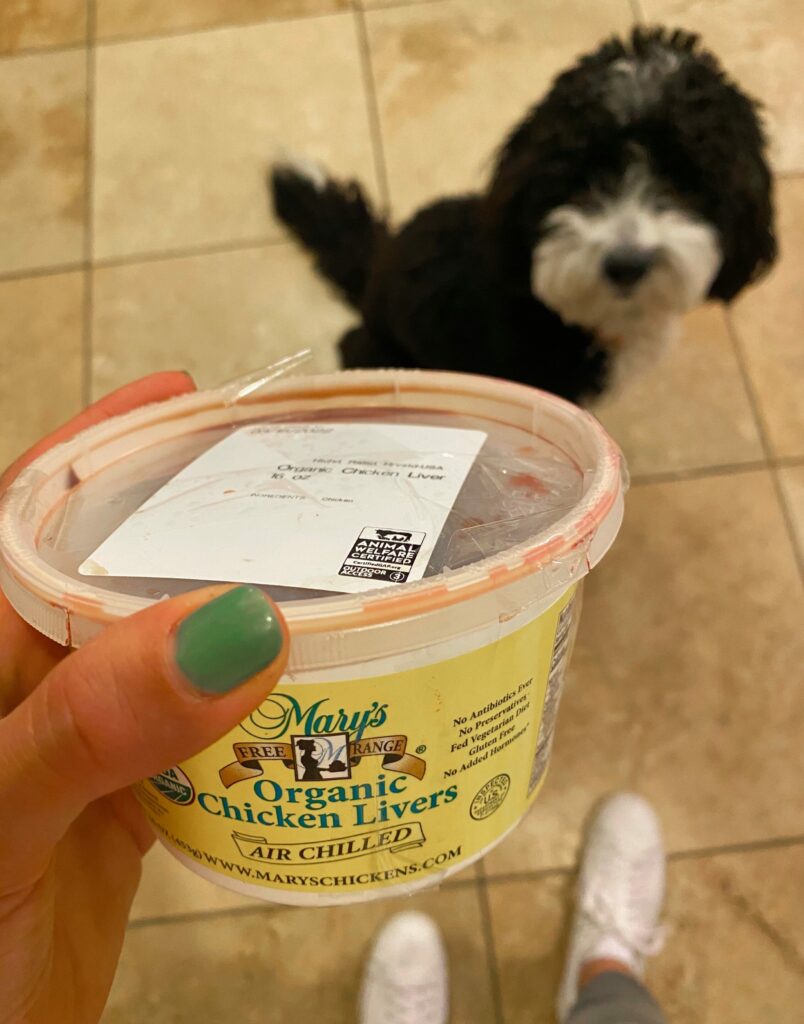
(Maisey loves some chicken liver)
Benefits of organ meats + nutrient-packed meatball recipe
Organ meats have been used for centuries in various cultures and countries. Some cultures consider various parts of an animal to bring good luck or good fortune, and many have strong beliefs rooted in using EVERY part of the animal you choose to consume. For myself, I consider the sources of where we choose to buy our meat, how the animal was raised, and how I can make the most of it without being wasteful. (This is why I love making bone broth!)
I’ve been all over the spectrum as far as my meat consumption goes, from not eating any meat for years, to only eating chicken and fish, to pescatarian, to almost raw vegan. I didn’t start eating steak again until I was pregnant with P. Suddenly, my body was craving steak and I had to have it. When I told the Pilot, you should have seen his eyes light up lol. He drove straight to Whole Foods, bought a grass-fed steak, and I ate the entire thing.
Since then, I’ve had steak maybe once or twice a month, and red meat maybe once a week or so. It’s not a huge part of my diet, but I absolutely feel better and have more energy when I get enough protein and I consume meat. Different things work for different bodies, and after lots of experimentation over the years, it’s what works best for me.
As I continue my education and research around health and vitality, organ meats have been a continuing theme. I feel like I’ve heard more and more experts talk about them lately. While I never hesitate to feed the dogs certified organic organ meats from the butcher – they go CRAZY for them!- I’ve finally become more comfortable giving them a whirl for myself, considering all of the benefits and nutrients they provide. I reached out the Mia and asked her if she’d help me with a little nutrition cheat sheet for organ meats, and here’s what she had to say:
What are the benefits of including organ meats, especially grassfed beef liver, in the diet?
– Organ meats contain all bio-available vitamins and minerals without taking a supplement. Vitamin A, D, E, K, choline, Coenzyme Q10 (COQ10), Amino Acids
– Important for healthy joints and collagen production, plus you’ll have glowing skin thanks to the Vitamin A
– Supports a healthy immune system. Vitamin D is critical for supporting our immune system and beef liver is loaded with it.
– Contain vitamin B12, which supplies the body with energy. Skip the synthetic B vitamins and focus on whole food sources instead.
– Great natural source of folate for moms, pre- post partum and babies in utero. Folic acid is the synthetic form of folate and requires conversion by the body to be bioavailable. Folate is critical for mamas and baby’s brain development while in utero.
– Organ meats, especially liver, contain all you need to properly nourish your baby’s development! 3-4 ounces 1-2x a week is all you need while pregnant.
– Liver is also an excellent source of copper, iron, selenium, and zinc
– As far as calories go, the fattier portions (like tongue) will be higher in calories than lean meat
What types of organ meats should I consume?
– You can see what’s available at your butcher, but try starting out with grass-fed beef liver. If you don’t want to eat it by itself, an easy way to consume it is by mixing it with ground beef. You’ll never know it’s there, but you’ll get the bonus nutrients. You can also try taking a supplement instead! Mia recommends Ancestral Supplements.
You might be wondering, “If the liver’s job is to filter out toxins, isn’t it packed with toxins.” Nope. The liver does an amazing job and pushes the toxins OUT; it doesn’t hold onto them.
You can also try experimenting with beef heart, tongue, kidneys, sweetbreads, and stomach. Growing up, my aunt would make tacos with cow tongue, and every year for New Years, we eat menudo with tripe. When I was a kid, madre told me if I stuck out my tongue, my aunt would make it into tacos. I knew she was joking, but stopped sticking out my tongue very quickly hahah.
Where to buy organ meats?
– I check the butcher at Whole Foods and see what they have on hand. They almost always have grass-fed liver, and it’s also extremely inexpensive. I think a local butcher is the best bet, because you can see what’s available and check it out for yourself.
– You can also ask butchers at any local farmers market
– Online options! There are a ton of options online. I haven’t tried any personally, but have heard good things about Tru.
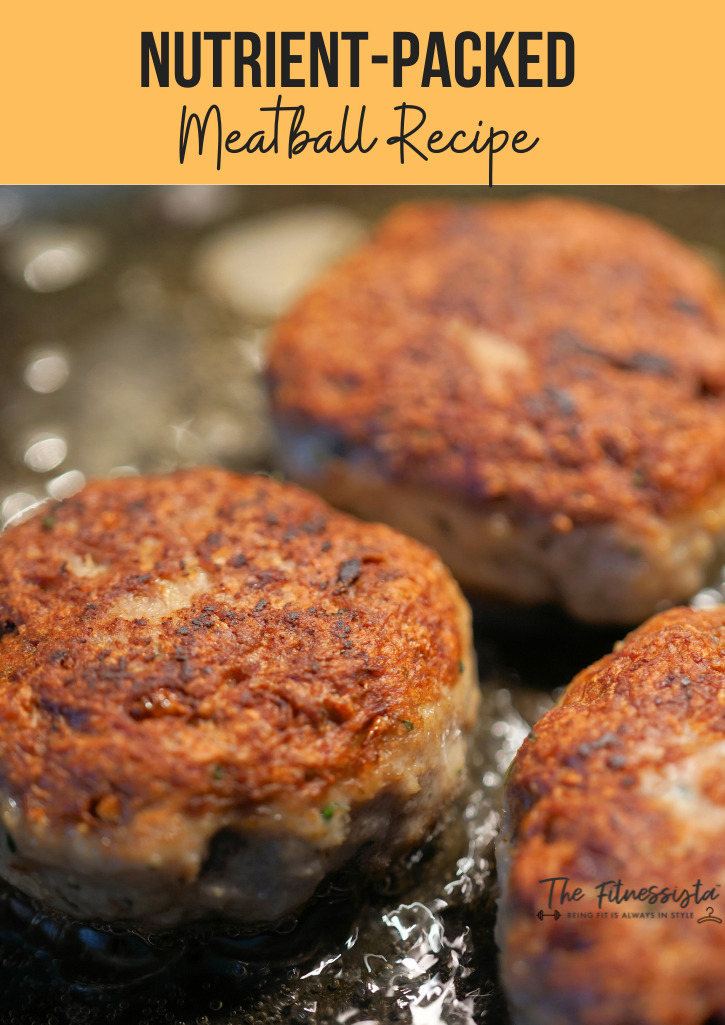
Here’s a recipe for meatballs using beef liver – promise you can’t taste it or tell a difference.
Beef Liver Nutrient Packed Meatball recipe
Ingredients
Grass fed ground beef (85/15 or 90/10)
Grass fed liver
Sweet vidalia onion
Your favorite bacon or turkey bacon
Eggs
Parsley
Chives
Garlic
Onion powder
Salt
Pepper
Paleo ketchup
Coconut Flour
Instructions
You’ll use the food processor to chop up the liver, and then mix all of the ingredients as you would any other meatball.
A nutrient-packed meatball recipe using beef liver. Using a food processor, you can’t even tell it’s there and can enjoy the bonus nutrients.
Author:Gina Harney // The Fitnessista
Ingredients
1.5 lb. grass fed ground beef (85/15 or 90/10)
10 oz. grass fed liver
1 sweet vidalia onion, finely chopped, about 1 cup
⅓ package of your favorite bacon, chopped into 1” pieces
1 egg + 2 egg yolks pasture raised
2 tbsps fresh parsley, finely chopped
2 tbsps fresh chives or 1 tbsp dried chives
2 cloves garlic, finely chopped
1 tsp onion powder
2 tsp sea salt
1 tbsp + 2 tsp black pepper
2 tbsp paleo ketchup
1 tbsp coconut flour
Instructions
Preheat oven to 425.
Using a food processor, process the liver, pulsing until it is roughly chopped. (If you want to skip this step, ask your butcher to grind it for you!). In a large bowl, add the ground beef and the processed liver. Set aside.
In a shallow frying pan, fry the bacon and onion together until the bacon is cooked and the onions are translucent. Remove from the heat and let cool before proceeding to the next step.
In the same food processor that you chopped the liver in, add the bacon/onion mixture, parsley, chives, garlic, onion powder, salt, and pepper. Pulse gently until combined. Add this mixture to the bowl of ground beef & liver.
Stir in the egg + egg yolk until smooth. Add the ketchup. Add the coconut flour (or gluten free flour blend if desired. Note, if using gluten free flour blend, you may need more since coconut flour is more absorbent and thus you need less).
Form into balls using a small cookie scoop, about the size of a golf ball. Place on a sheet pan lined with aluminum foil and parchment paper for easy clean up. Meatballs will not expand when baking, so you can place them close to each other.
Bake for about 30 minutes or until no longer pink inside, about 155 degrees. This will depend on how large you choose to make the meatballs.
So organ meats: yay or nay? Any recipes you love?
Are there any foods or food combos you enjoy that are a little on the unique side?
xo
Gina
If you’ve been looking for a great source to buy meat online – not organ meats, just regular meat options – check out Butcher Box. I started using this recently and absolutely love it! You can use my link to get $30 off and free ground beef for liiiiiife.
Hi friends! How are you? What’s going on this weekend? It’s yard-a-palooza over here. The Pilot is finally home after working last weekend and flying nights for 3 weeks, and we need to catch up on life and chores.
I’m so pumped to replant some veggies in our garden – all of my salad greens are still going strong, but some plants died during our last random freeze – and clean up the yard. It makes me feel like summer pool parties are just around the corner and I can’t wait!
Some fun adventures from the week:
– Liv’s first dance competition of the season! The girls and I took a little roadtrip up to Phoenix for her performance and they absolutely crushed it. We stopped for lunch at Flower Child during our lunch break and headed back later that night. It was a short trip, but an absolutely blast.
– A spa day. The Pilot bought me a gift card to Greentoes back in 2019 for my birthday and I FINALLY forced myself to redeem it. I usually have no problem shuffling in a massage or nail appointment, but sandwiching two spa treatments back to back felt impossible. I also felt guilty because it was a huge time block I could use to work.
I convinced myself it needed to happen, and I’m so so glad I did. The massage was wonderful and the facial was so good it made me want to cry haha. I’ve had a lot of meh facials over the years (which is why I usually opt for a massage instead) but this one was over the top.
Greentoes only uses Eminence products, so it makes me happy that they’re using products with safer ingredients on my skin. I got a papaya peel with paprika on top – it gave it a small burning feeling but made my skin feel super smooth and hydrated – and I can’t rave about this one enough. If you live in Tucson, go to Greentoes North and see April for a facial. You won’t regret it. I’m absolutely going to make this a part of my semi-regular rotation.
– A new Tucson restaurant! The Pilot and I enjoyed a date night last night and went to BATA, which opened this week. All of the offerings are touched by fire in some way, whether it’s subtle or bold. It’s a small plates style restaurant, which also offers a selection of non-alcoholic cocktails.
It’s in the warehouse district, and I loved the simplistic decor and overall vibe. The tapas-style meal was incredible and was absolutely a *wow* dining experience.
Here’s what we ordered:
Ash Roasted Beet Tartlet – with cultured cream (this had a lovely smoky finish)
Grilled Oyster Mushroom Skewer – with barbecue beet (the BBQ beet sauce was subtly sweet and perfect with the mushroom)
Dry-Aged Beef Tartare – with buttermilk, black sunchoke, and a white Sonoran wheat tortilla (one of our faves. SO flavorful and the housemade tortilla took it over the top)
Chewy Carrots – ajo blanco and cilantro (loved the ago blanco with this)
Slow-Cooked SD Halibut – with mushroom dashi, Arizona barley, and charred kale
Chocolate Mousse – with smoked almond tart and Arizona olive oil
Everything had unique textures and flavor profiles, and all of the dishes were plated beautifully. The stars of the show were the cocktails (the Chiricahua was our fave), the beef tartare (I wanted to live in that housemade tortilla with buttermilk and beef tartare) and the chocolate tart (a dreeeeeam). Tucson friends: go check it out!
Ok friends! It’s time for the weekly Friday Faves party! Here’s where I share some of my favorite finds from the week and around the web. I love hearing about your faves, too, so please shout out something you’re loving in the comments below.
Read, watch, listen:
– I started The Paris Apartment through my Book of the Month subscription and I can’t read it fast enough! Talk about a major page-turner. I’ll share a full recap in my book review at the end of the month, but if you’re looking for a quick, thrilling read: this is it.
– Don’t forget to check out my recent podcast episode about body image and self worth here.
– These frozen macarons from Trader Joe’s are liiiiife. The girls and I finished off a box in two days.
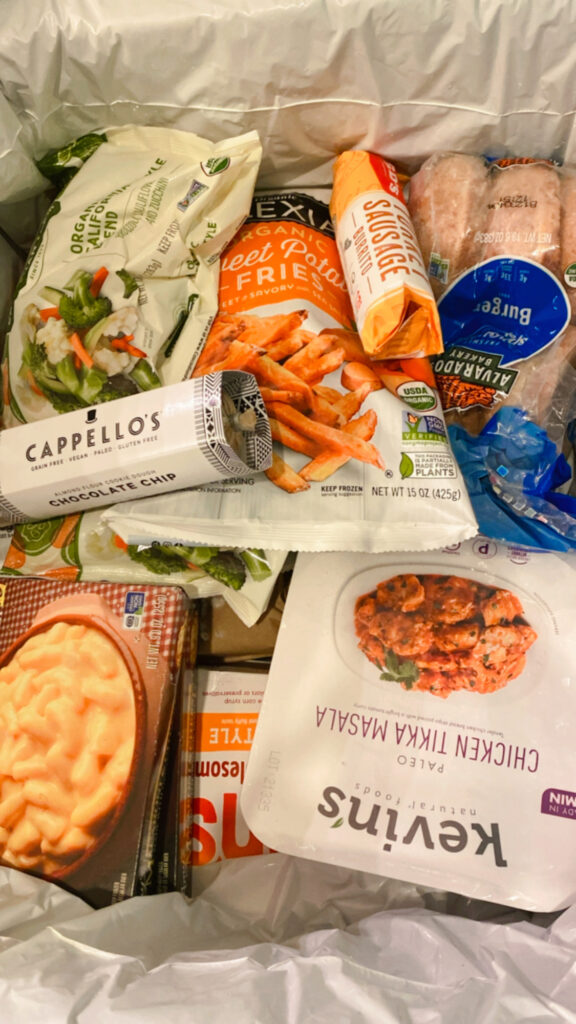
– We got a frozen order from Thrive Market and they had so many of the essentials we typically buy, at way better prices. I got Van’s pancakes, Against All Grain baguettes, turkey sausage breakfast burritos, frozen fruit, frozen veggies, Capello’s cookie dough, Amy’s mac n’ cheese, Kevin’s Paleo meals (these are amazing in a pinch and have great ingredients), and sprouted burger buns.
My link gets you 40% off your first order if you want to give it a whirl! I used to get Thrive Market once a month or so and now I get it almost weekly for many of our staples and household items (like hand soap, dish soap, laundry detergent, etc).
– If you missed out on Total Body Reset enrollment, but are looking for a workout plan as we head into spring and summer, check out Fit Team! The special thing about these workouts are that they’re phased for body composition results. There’s an endurance phase, strength phase, and power phase in each 90-day cycle.
It’s important to phase your training if you have specific goals, instead of puzzle-piecing your routine together from online workout options. That’s the biggest difference between the workouts I post here and the ones I create for Fit Team – everything is in a structured, phased plan with room for flexibility (and I show you how to shuffle weekly workouts around) to work with your life.
– February faves. I totally forgot to share these last week, but here are the reader favorites from last month via my LTK analytics. I always enjoy seeing which products you love the most, and these ones were at the top of the list.
These low-top sneakers (these are the ones I think I’m going to order because my other GG shoes are officially worn out)
– Loving these Beyond Yoga joggers… even though I accidentally wore them backwards all day yesterday. I went to put my hands in my pockets and figured out my fail lol.
Sharing my review (so far!) of the Integrative Health Practitioner certification and my thoughts on the program. I’m so thrilled to be partnering with Dr. Stephen Cabral on a few podcast episodes, and he also generously gifted access to my level 1 and level 2 certification programs. In this post, I’ll be sharing an update on the course and my thoughts so far. If you’d like to join me as a study buddy, head here and use the code FITNESSISTA for $100 off Level 1 and $250 off levels 1 and 2.
Helloooooo. How’s the week? I hope you’re having a lovely morning. I’m taking a F45 class with a friend and looking forward to dinner tonight at a new Tucson restaurant. I’ll definitely report back! The rest of the day is going to be spend working on new Fit Team content, interacting with our amazing Total Body reset group, and getting tomorrow’s Friday Faves post ready to go.
For today’s post, I’m excited to share my experience with the Integrative Health Practitioner course and how I plan to use this certification. I’ve loved diving into these modules and know that it will be an entirely new layer to my coaching.
There have been times when I’ve worked with a nutrition client online and wished I could suggest specific labs (it’s NOT in the scope of practice for a nutrition coach or personal trainer to do this. All you can do is refer out to an RD or doctor). This is one of the many reasons why I asked Mia to work with me this year. Mia can do all of these things, but as my online practice continues to grow, I’ve wanted to be able to learn how to do all of this myself.
Integrative Health Practitioner Certification
What is the IHP certification?
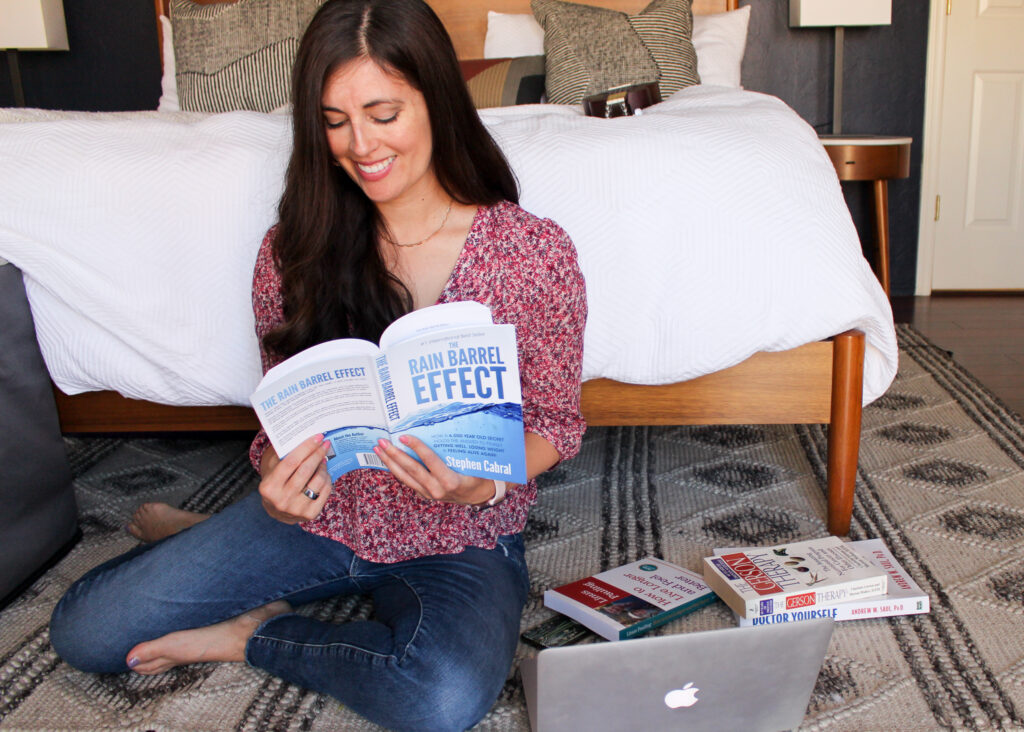
The Integrative Health Practitioner certification was created by Dr. Stephen Cabral. If you’re not familiar with his work, Dr. Stephen Cabral is a Board Certified Doctor of Naturopathy and founder of the EquiLife & the Integrative Health Practitioner Institute, and Author of the International Best-Selling Book, The Rain Barrel Effect. After almost 20 years and over 600,000 pages of research study completed, dozens of certifications in the natural health field, over a quarter of a million private client sessions, and a doctoral degree in Naturopathy – Dr. Cabral‘s knowledge, experience, and passion are at the top of his field.
I’ve had a huge benefit from working with naturopathic doctors and functional medicine practitioners throughout the years, particularly when I was told, “Nothing is wrong” or that I’d, “Just have to live with it” by various physicians. (This is not the case with everyone! Also worth mentioning here that my Nurse Practitioner here in Tucson, who is my Primary Care, is AMAZING.) But there have been a handful of times in my life when I thought things were hopeless… and were told they were actually hopeless. All I needed to do was seek out another physician (sometimes you just need a second or third opinion!) or alternative options to get the help we needed.
I’ve been soaking in all of the lessons and can’t wait until I’m fully certified so I can help clients in a different way.
IHP is based on 7 integrative disciplines:
– Ayurvedic medicine (the science of life and body-typing)
– Bioregulatory medicine (the science of self healing and rebalancing)
– Chinese medicine and herbalism (unlocking nature’s healing wisdom)
– Eastern Philosophy (using the mind to heal the body)
– Traditional Naturopathy (the “right living” to reverse illness)
– Orthomolecular medicine (the science of vitamins and minerals as “medicine”)
– and Functional medicine (state-of-the-art lab testing to determine underlying root causes)
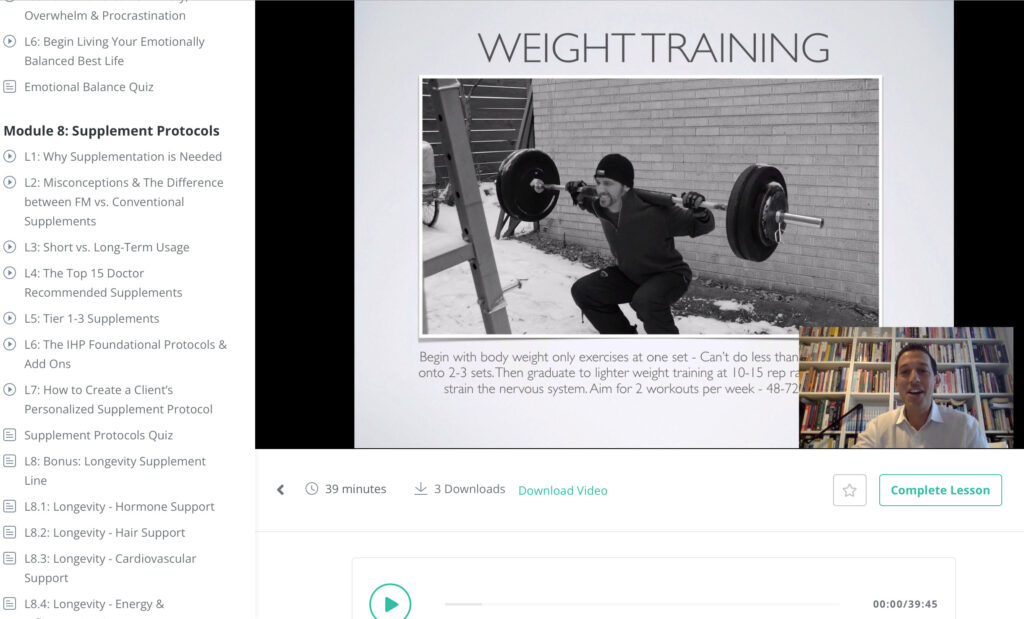
There are two levels of IHP: Level 1, which teaches you how to introduce healthy habits based on the DESTRESS method (diet, exercise, stress, toxin removal, rest, emotional balance, supplements, and success mindset) and Level 2, which focuses on 7 functional medicine labs (including HTMA, OAT, DUTCH), the ability to recommend and analyze these labs, and suggest an action plan depending on the results.
Each lesson is about 30 minutes, and Dr. Cabral includes suggested reading material, complementary podcast episodes, and shares tons of resources and handouts to use for clients. Since it’s so in-depth, the full course can take about 6 months and level 2 can take 6 months to a year. I’m a couple of months in, and not even halfway through the first level.
What I like about IHP:
– This is exactly what I want to be learning and know I can use these skills to help 1:1 clients, with the content I create here on the blog, and also with group coaching and courses I develop. I want to help as many people as possible to have happy, balanced hormones, optimal energy, and help them break through the *noise* to create consistent and sustainable healthy habits. This is another step in my education process and I’ve loving it so far.
– Dr. Cabral. If you follow him on Instagram or listen to his podcast, you know that he’s incredibly knowledgeable but also can tell that he’s a genuinely *good person* who truly wants to help others on their path to healing. I enjoy watching each lesson video and learn something valuable from every.single.one. He really did an incredible job with the content and delivery of the course.
– Extra support. They offer a private Facebook group for IHP candidates and certified practitioners, live calls, and will even refer clients to IHP Level 2 graduates. I also appreciate all of the handouts and resources we can use and share with clients when we’re finished with the certification process.
Any cons?
– It’s hard for me to study on the go, and feel like I need to be at my computer taking notes. Dr. Cabral dives into a LOT of information, and I know that it will be even more prevalent in Level 2. I just feel like time is the only thing standing in the way, since the lessons are around 30 minutes each and I need to be at home to complete them. I think my only frustration is that I can’t blast through the information as quickly as I would like, but at the same time, it’s enabling me to truly absorb all of the lessons.
I think that’s the only con!
If any of my fellow health professional friends are looking for another way to help their clients, I highly recommend IHP. You can also use this information to heal yourself and then go one to heal others, which I think is a beautiful mission.
You can use my referral link here and the code FITNESSISTA for $100 or $250 off (depending on whether you’re doing Level 1 only or both levels for a higher discount).
So, tell me friends: what’s a healthy habit you do every day that makes you feel amazing?
If you could change careers or add another certification to your resume, which one would you choose?

















 Print Recipe